History

IMG 8136

A shared past, a common future

The history of the Netherlands and Indonesia is deeply intertwined. For centuries, our countries were connected through trade, culture, and power—but also through inequality and sorrow. What once began as an encounter grew into a period of domination that left its mark on both societies.

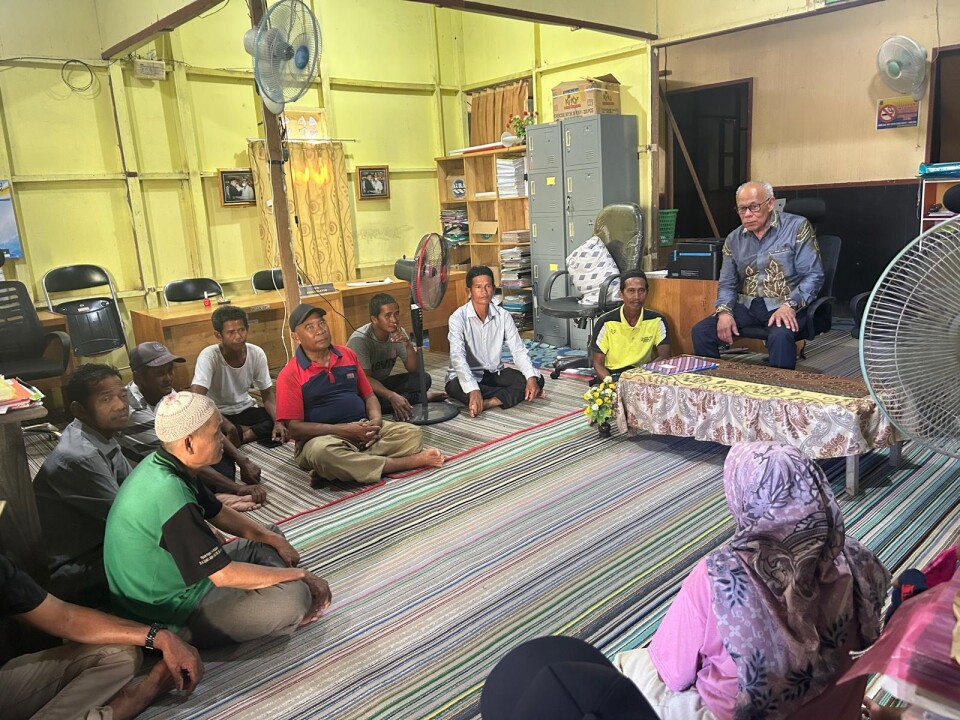
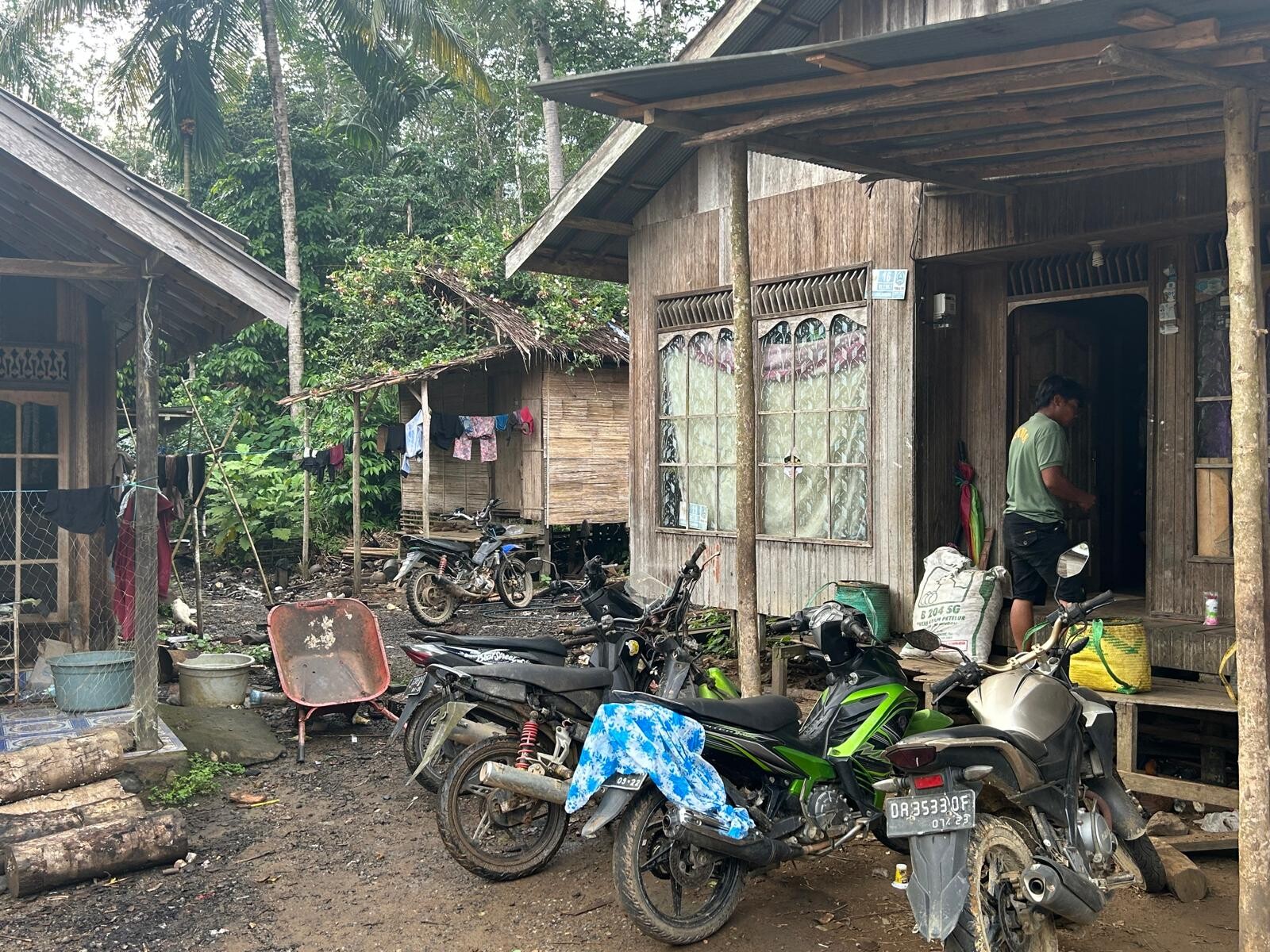
Erik in gesprek met de boeren uit de dessa die hun boerderijen in Polder Alabio verloren hebben t.g.v. overstromingen

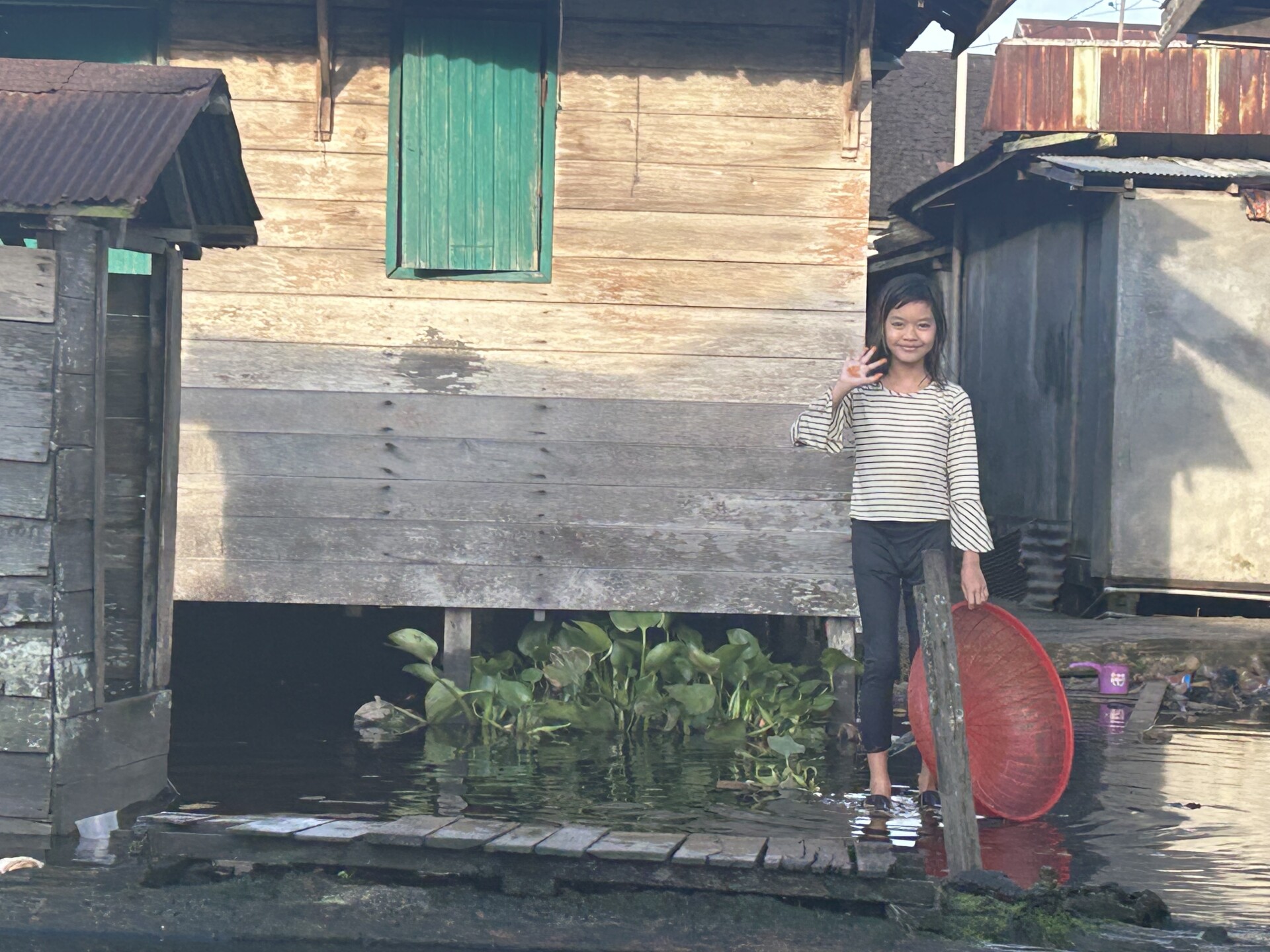
Together, Dutch, Indo-European, Indonesian, and Chinese-Indonesian communities bring care, hope, and future opportunities to children in need. 
(The Netherlands and Indonesia connected).

Today, the KIDS in Dire Straits Foundation does not look away from that past, nor do we look back with blame. We recognize it as a shared story that can teach us what humanity, responsibility, and compassion truly mean.
From this awareness, we are building a new form of connection: not based on governance, but on care, equality, and hope. By supporting children in need—orphans, street children, and outcast children—in both Indonesia and the Netherlands, we aim to contribute to healing, understanding, and a future in which every child matters.
However, this mission cannot be carried by private efforts alone. We believe that Dutch society, including its government, institutions, and citizens, has an opportunity to actively contribute to this recovery and this future. A future in which we not only acknowledge what was, but together invest in what can become good.

Private donations, partnerships, and government support are not merely financial resources for us—they are symbolic acts of solidarity, in which the Netherlands and Indonesia once again show that true strength lies in care, solidarity, and human dignity.

In this way, the past is not forgotten, but transformed into a source of cooperation, responsibility, and hope.

B8d699c6 10f1 4e2b b1ca 00121ef71325
The Indo’s – The Dutch-Indonesians

The Indos are an ethnic group with a mixed background, usually with a Dutch father and an Indonesian mother. This group embodies the deepest human, cultural, and historical connection between the Netherlands and Indonesia.

Many Indo children were shaped during colonial times but were not recognized or legitimized by their Dutch fathers. They were often stigmatized as “children of shame,” hidden away, placed outside the family, or even taken from their mothers to protect her social position. A large portion of these children—estimated to be a significant share of the Indo community—thus became socially invisible and grew up in circumstances of poverty, emotional deprivation, loneliness, and lack of identity.

Many Indonesians are not aware of this. There is sometimes the perception that Indos were placed above Indonesians in the colonial system, but for a large group, the opposite was true. Many had no formal status, no legal position, and were often socially ranked lower than the local population. In fact, it was precisely these Indo children who, in large numbers, were victims of the colonial system and the power relations of that time.

It is valuable for the foundation to make this forgotten group visible. Not out of blame or guilt, but out of recognition. For these Indos—now estimated to be over two million descendants worldwide—are also blood children of Indonesia. That blood relationship endures, stronger than any history, and makes them a natural bridge between the Netherlands and Indonesia: a bridge that cannot be erased and that will last forever.

Foundation KIDS in Dire Straits

An honest relationship-metaphor-poem for Indonesia & the Netherlands, with room for hope, healing, and their children as bearers of humanity.

Metaphorical poem

For, as Willem Elsschot wrote:
“Between dream and deed stand laws in the way and practical objections.”
(Willem Elsschot, The Marriage)

And it is precisely there, in that in-between space,
where dream and reality rub against each other,
that their unacknowledged children stand,
as an inheritance of humanity.

Not to restore what once began wrongly,
not as a mediator between inequality and pain,
but as a new beginning: a place where respect and love can grow,
where stories may be told without shame,
where truth no longer needs to be avoided
and healing cautiously takes root.

They are not a bridge that holds their two parents together,
but an open field,
a lasting connection where the past is acknowledged
and the future is not yet fixed and offers possibilities 

In their existence lies the hope that two histories,
that never loved each other,
can still find a way to become human.

Frequently Asked Questions about the VOC, Colonial History, and Giving Back

What was the VOC?

The Dutch East India Company (VOC) was a Dutch trading company that operated in Asia during the 17th and 18th centuries. The company traded in, among other things, spices and possessed extensive powers, such as concluding treaties, waging war, and exercising governance in overseas territories.

When did the VOC exist?

The VOC existed from 1602 to 1799.

Why was the VOC established?

The VOC was established to centralize trade with regions in Asia, limit competition between Dutch trading companies, generate profit, and strengthen the position of the Dutch Republic in global trade.

Which regions were affected by the VOC?

The VOC had the exclusive right to purchase and trade certain products. This allowed prices and trading conditions to be enforced, often to the disadvantage of local producers and traders.

What is meant by colonization?

Colonization is the process by which an external power exercises political, economic, and administrative control over another territory, usually in its own interest. This was often accompanied by profound social, cultural, and economic consequences for the local population. 

How did the VOC affect the daily lives of local communities?

Many local communities faced taxes, compulsory deliveries, and forms of forced labor. This led to a loss of autonomy and limited choices, resulting in significant social and economic pressure.

What is meant by slavery in this context?

During the VOC period, people were forced to work without free choice, the right to wages, or freedom of movement. Slavery and other forms of unfree labor were part of the colonial system. 

What does it mean that the VOC had a monopoly?

The VOC era brought economic exploitation, power imbalances, and social and cultural changes. Some of these effects persist to this day in structures and relationships. 

What were the consequences of the VOC for Indonesia?

The VOC had the exclusive right to purchase and trade certain products. This allowed prices and trading conditions to be enforced, often to the disadvantage of local producers and traders.

What did the VOC bring to the Netherlands?

The VOC era brought economic exploitation, power inequality, and social and cultural changes. Some of these effects persist to this day in structures and relationships. 

For the Netherlands, the VOC brought economic growth, knowledge of shipbuilding and trade, and international networks. At the same time, this prosperity was accompanied by harm and inequality elsewhere.

What is meant by the colonial legacy today?

The colonial period (17th–20th century) has left lasting traces in governance, economy, language, culture, and mutual perceptions. There are also still inequalities and sensitivities that stem from this.

Why is it important to learn about this?

Knowledge of this history helps young people and adults to think critically, understand multiple perspectives, and prevent polarization. It contributes to awareness, dialogue, and mutual respect.

Can you discuss this history without feeling personal guilt?

Yes. Individuals today are not personally guilty of actions from the past. It is about acknowledging, understanding, and showing respect. Recognizing historical injustice can contribute to moral reflection and trust between generations and societies. This forms the basis of the Giving Back Statement. 

What does critical thinking mean?

Critical thinking means asking questions, comparing different sources and perspectives, and not accepting information at face value.

What is intercultural dialogue?

Intercultural dialogue is engaging in open and respectful conversations between people from different cultural backgrounds, with the aim of fostering mutual understanding and connection.

What is the difference between guilt and responsibility?
  • Guilt: personal involvement in an act.
  • Responsibility: the willingness to consciously deal with the consequences of the past today and to contribute to improvement. 
Why is colonial history still relevant in 2026?

The consequences of this history are still noticeable for many people and communities. By listening, learning, and engaging in conversation, we can work together towards a more just and shared future.

Has the Netherlands provided compensation for colonial actions?

The Netherlands does not have a general compensation fund for victims of the VOC period. However, over time, apologies have been made and there are small-scale projects and initiatives aimed at recognition and restoration. 

What is meant by “giving back”?

“Giving back” means contributing to recovery and future-oriented collaboration, for example through education, knowledge sharing, cultural projects, and equal partnerships – not exclusively in financial terms. 

Can education contribute to giving back?

Yes. By strengthening education about history, perspectives, and consequences, understanding, respect, and awareness are fostered among new generations. 

How should I interpret the Giving Back Statement?

Dutch prosperity was partly achieved in a colonial context that caused harm to Indonesia. Is a non-material form of giving back appropriate?
Answer: Although we are not personally guilty, we can acknowledge that this history has had consequences. Non-material forms of giving back – such as education, dialogue, and cooperation – can contribute to trust, understanding, and connection.

Would a Dutch person feel morally involved?

Should the Dutch feel morally involved in this history, even without personal guilt?
Answer: Yes. Moral involvement does not mean bearing guilt, but being willing to learn, to listen, and to contribute to positive change. 

What could giving back look like for young people and schools?

Through workshops, dialogue sessions, educational materials, cultural exchanges, and collaboration with young people in Indonesia or European partners.

What is meant by the “symbolic Indische bridge”?

The symbolic Indo bridge represents the connecting role of generations of Indo families between the Netherlands and Indonesia. By passing on stories, experiences, and identity, recognition, understanding, and a sense of connection arise between the past, present, and future.

Together, Dutch, Indo, Indonesian, and Chinese-Indonesian communities provide care, hope, and future opportunities for children in need. (The Netherlands and Indonesia connected).

Help orphaned and poor children, orphanages, adoptive families, and schools in need: 

Logo kids in dire straits foundation

Together we build a hopeful future for children in need

Sign up for newsletter
Contact

Amstelveenseweg 643
1081 JD Amsterdam
The Netherlands

+31 20 64 41 094
info@stichtingkids.org
www.stichtingkids.org
Chamber of Commerce number: 97123994
Rabobank: IBAN NL05RABO 0144851229

Scherm­afbeelding 2025 11 15 om 12.11.49

Registered as an ANBI since April 28, 2025. Donations, gifts, and bequests are tax-deductible.